

By Matt Patterson-Green, Head Winemaker, Jackson Estate. Last updated 19 June 2026.
How Stich differs from the Marlborough Sauvignon Blanc you know
There's a version of Marlborough Sauvignon Blanc you already know — the bright, easy one you reach for on a Friday night with family and friends. It's consistent and delivers exactly what you expected: passionfruit, grapefruit, and a zesty finish that makes your mouth water.
Then there's Stich.
Jackson Estate Stich Sauvignon Blanc comes from the same region. Same grape, same cool nights, the same sunshine that made Marlborough one of the most recognised Sauvignon Blanc regions in the world. And yet it's a different wine in the glass. Let us tell you why. We'll cover what made Marlborough famous, how the style of Sauvignon Blanc has evolved, and the two things that set a wine like Stich apart: the age of the vines, and the winemaking.
How Marlborough put Sauvignon Blanc on the map
To understand Stich, it helps to first understand the story of Marlborough.
When Marlborough Sauvignon Blanc reached the market in the early 1980s, drinkers and sommeliers were stopped in their tracks: intensely aromatic, fresh, and notably different from the Sauvignon Blanc being made in France. It put New Zealand wine on the map.
Much of the Sauvignon Blanc made today still follows that early template: crisp acidity, herbaceous and grassy, made to enjoy young. It's a good recipe: it sells, it travels, it's reliable. But it's a starting point, not the whole story. Winemaking in Marlborough has kept evolving since.
How Marlborough Sauvignon Blanc has grown up since the 1990s
A lot of people decided what Marlborough Sauvignon Blanc was years ago and never went back. The picture in their head is the punchy, aromatic style of the 1990s, crisp and zesty, made to drink young.
That picture is out of date. The category has matured. Vines that were young in the 1990s are now four decades old. Winemakers who once chased pure aromatic punch now have the fruit and the experience to build wines with more weight, more texture, complexity, and a considerably longer life. The fresh, lively character that Marlborough is known and loved for is still there; there's just more weight and depth beneath it.
Stich sits firmly in that grown-up end of the range — an old-vine Marlborough Sauvignon Blanc built for more than a quick pour. If you wrote it off a decade ago, this is the version worth a second look.
How old vines influence Sauvignon Blanc

As vines begin to age, they naturally reduce their tonnage, and the grapes they do carry are more concentrated, giving the wine more flavour and elegance, more texture, and lower acidity than fruit from young vines.
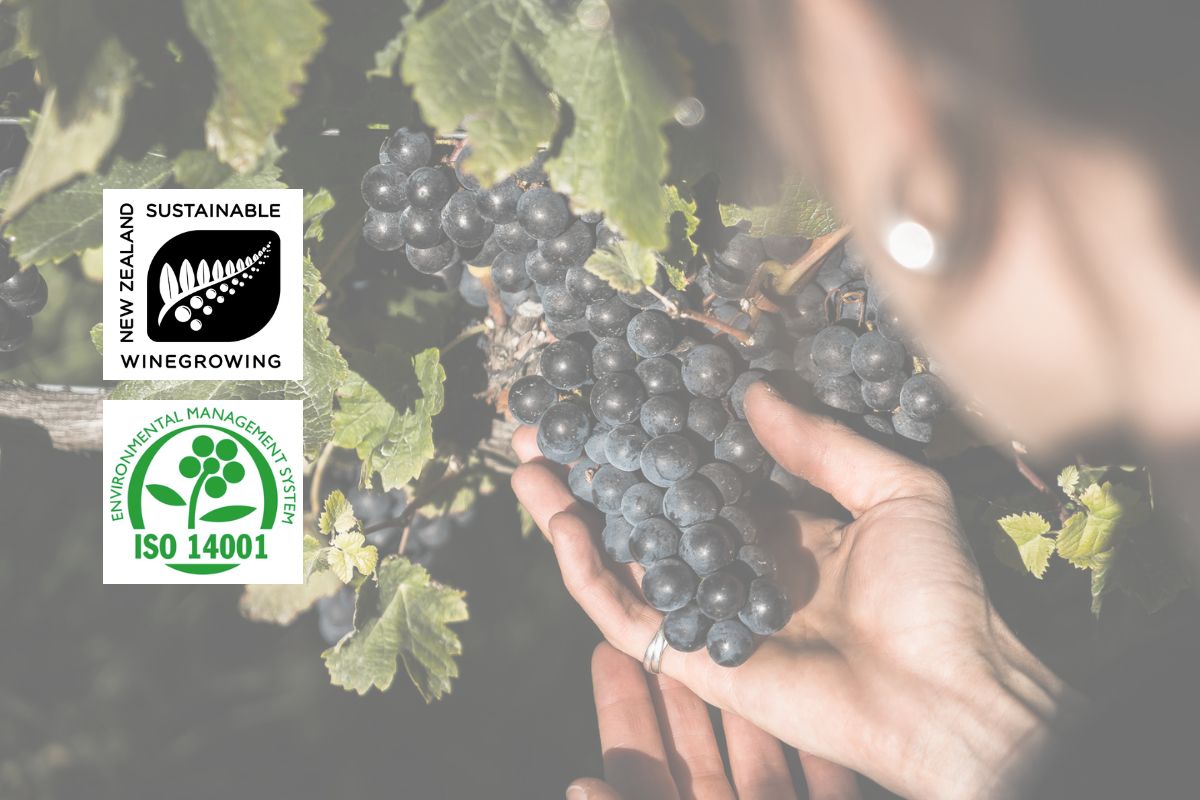
Our vines are some of the oldest in Marlborough and, in some cases, twice as old as other Sauvignon Blanc vines in the region. Planted in the mid-1980s, they've been tended for over four decades. Age matters here, and it works in a few connected ways:
- Lower yields. An old vine naturally carries less fruit. Less fruit per vine means each bunch ripens with more concentration: more flavour packed into every grape, rather than the same flavour spread thin across a heavy crop.
- Deeper roots. Decades in the same ground send roots well below the topsoil, drawing on a steadier supply of water and minerals. The vine isn't at the mercy of every dry spell or wet patch, so the fruit ripens more evenly.
- Softer acidity. Older vines give a rounder, lower, more balanced acidity, bright enough to hold the wine together, supple and integrated on the palate.
- More texture and weight. Together, that builds a wine with body and presence: less tropical punch, more citrus and white stone-fruit, with the lift and length that give Stich its recognisable Jackson Estate character.
How Stich is made
Stich is made slowly and with a light touch. We ferment for around three weeks at a mid-to-low temperature to draw out aroma and flavour, then rest the wine on light lees* for at least six months before blending and bottling. All the fruit is grown on our own estate vineyards, and the wine is released later than many of its peers.
A few of those choices are worth unpacking, because they're the difference you can taste.
A slow, cool ferment

A cool ferment of around three weeks holds on to the delicate aromatics that make our Sauvignon Blanc smell the way it does, and helps to build the wine with more depth and character than a warm, fast fermentation rushed to the tank.
Time on lees: what that actually means
After fermentation, every wine has fine sediment (spent yeast and grape particles) that settles out. Stich is left resting on those light lees for at least six months. That contact softens the wine, adds creaminess and roundness, and gives it a fuller body: in plain terms, the difference between a wine that feels lean and one that feels complete on the palate. It's one of the quiet reasons a premium Sauvignon Blanc feels richer and more complete, even when the fruit looks similar on paper.
A later release
Because we're not rushing the ferment or the lees ageing, Stich reaches the shelf later than many other Marlborough Sauvignon Blancs. That extra time is the point. It's what lets the wine arrive settled, integrated, and tasting at its best.
Estate-grown, start to finish
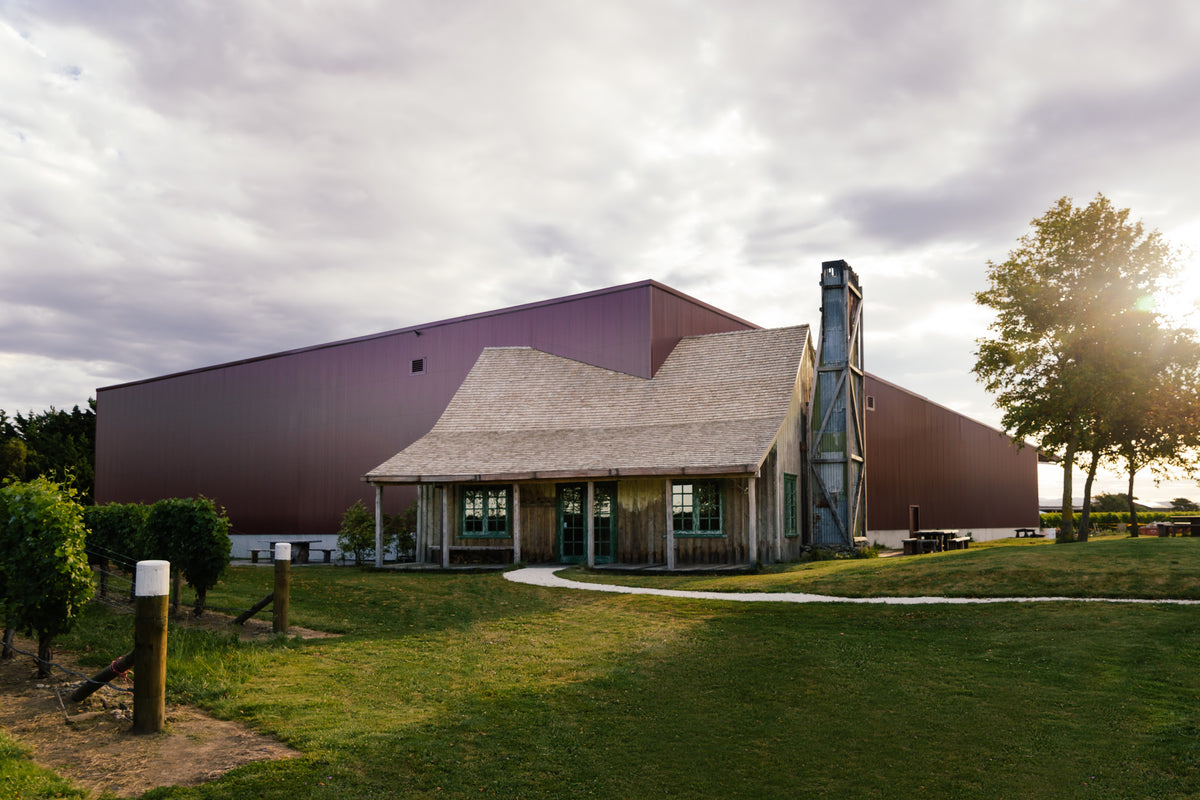
Additionally, every grape comes from our own estate-grown vineyards, meaning every decision from vine to bottle is made with one goal: to make Stich the most distinctly Jackson Estate wine we can.
In the glass, Stich shows ripe white stone-fruit (nectarine and melon) over zesty citrus, with a textural, lees-driven palate and a fine thread of minerality. The acidity is bright and beautifully balanced, giving the wine real lift, presence and poise, before a long, saline finish.
That unhurried approach keeps earning recognition: a Gold medal and 95 points at the 2024 Decanter World Wine Awards, 93 points from Master Sommelier Cameron Douglas, and 92 points at the 2025 IWSC. Is
Stich still a Marlborough Sauvignon Blanc?
It's both.
The DNA is unmistakably Marlborough — the acidity, the cool-climate freshness, the aromatic lift the region delivers better than anywhere else. That's still the foundation. Old vines, a slow hand in the winery, and fruit from a single estate are what take it somewhere of its own.
If you'd like to taste where the difference lands, explore our Marlborough Sauvignon Blanc or read the story behind Stich. It also sits within our single-vineyard range — the wines we make when a parcel of fruit shows something worth bottling on its own.
Frequently asked questions
Is all Marlborough Sauvignon Blanc the same? No. They share a region and a grape, but the range is wide. Premium single-estate wines like Stich use older vines, slower winemaking, and lees ageing to build softer acidity and more texture. A shared region and grape, but genuinely different wines.
What does vine age do to Sauvignon Blanc? Older vines carry fewer grapes and send roots deeper into the soil, so the fruit ripens with more concentration and more even balance. The result is a wine with softer, rounder acidity and more texture than one made from young vines. Less sharp punch, more depth and white stone-fruit character.
Why is Stich released later than other Marlborough Sauvs? Because it's made slowly. Stich ferments for around three weeks at a cool temperature and then rests on light lees for at least six months before blending, then bottling. That extra time lets the wine settle and integrate, so it arrives complete. The later release is a deliberate choice to create a more elevated wine.
What does "aged on lees" mean? Lees are the fine sediment (spent yeast and grape particles) left over after fermentation. Instead of removing the wine from them quickly, we leave Stich resting on its light lees for months. That contact adds a soft creaminess, a fuller body, and more complexity, which is part of why a lees-aged wine feels richer on the palate than one bottled straight after fermentation.