

Written by Matt Patterson-Green, Winemaker at Jackson Estate. Last updated September 2026.
In New Zealand, "sustainable" wine is a national standard that the whole industry is required to meet, not a badge to reach for. Sustainable Winegrowing New Zealand (SWNZ), introduced in 1995, now certifies around 98% of the country's producing vineyard area, and most New Zealand wine is made in certified facilities. Jackson Estate has been certified since 1995, when we were the 16th vineyard in the country to join. Here is what the standard actually asks of a New Zealand winery, and what we do on our Marlborough estate to meet it.
The New Zealand standard: Sustainable Winegrowing NZ (SWNZ)
The short version: in New Zealand, sustainability is the price of entry rather than a point of difference. SWNZ is the industry's certification programme, run by New Zealand Winegrowers. It was introduced in 1995 to set best practices across the industry, and it now covers around 98% of the country's vineyard area under production, with more than 90% of New Zealand wine made in certified facilities. Certification runs from vineyard to winery to bottling, and is checked through annual submissions and independent on-site audits across six areas: soil, water, plant protection, waste, climate change and people
Jackson Estate's certifications: SWNZ
When SWNZ began in 1995, Jackson Estate was the 16th vineyard in the country to be certified, and we have held certification ever since. We believe the only way to protect the integrity of our wines is to own the full winemaking process and practise sustainable methods, which means the same care runs from the vineyard through the winery to the packaging. Our 75 hectares of vineyard are all estate-owned, which keeps the care of the land in our hands from vine to bottle.
In the vineyard: soil, water and biodiversity
Most of the work happens in the vineyard, and it is the part people rarely see.
Soil. We return 100% of our marc (the grape skins left after pressing) to the Homestead vineyard, where it is spread between the rows. It feeds the soil, helps suppress weeds, and holds moisture in the ground. We also monitor for erosion and compaction and work to maintain and build the organic matter in the soil over time.
Water. Around 95% of the water we use in winemaking is recycled. It is aerated, pH-adjusted and returned to underground tanks, then spread on the grassy strips between the vines (otherwise known as inter-row swards). That reduces the amount of drip irrigation we need and keeps the inter-rows healthy for the insects that live there.
Biodiversity and plant protection. We plant wildflowers and keep beehives on site to support the hedgerows around the vineyard and the beneficial insects that help keep pests in balance. Using marc as a weed suppressant means less chemical weed control, and we use approved inputs only when they are genuinely justified. We are also part of New Zealand Winegrowers' Virus Elimination Project, which monitors and controls grapevine viruses with the long-term goal of virus-free vineyards.
In the bottle: packaging and waste
A wine's footprint does not end at the tasting room. We run a full recycling programme that accounts for the glass, plastic, cardboard and CO₂ created during production. Glass is the heaviest part of a bottle's footprint, so it is where the numbers matter most. Our bottles are made of 70% recycled glass, and over 95% are lightweight (390 grams), reducing shipping weight and associated emissions.
A baseline, not a badge
None of this is unusual for a New Zealand winery. Here, sustainability is the everyday standard for how wine is grown and made and is audited and certified each year. What it means day to day is steady, unglamorous work: recycling the water, returning the skins to the soil, keeping the bees and lightening the weight of our glass bottles.
For us, it comes back to a simple idea: look after the land, and it looks after the wine. We have farmed this estate that way since 1995, and we will keep at it.
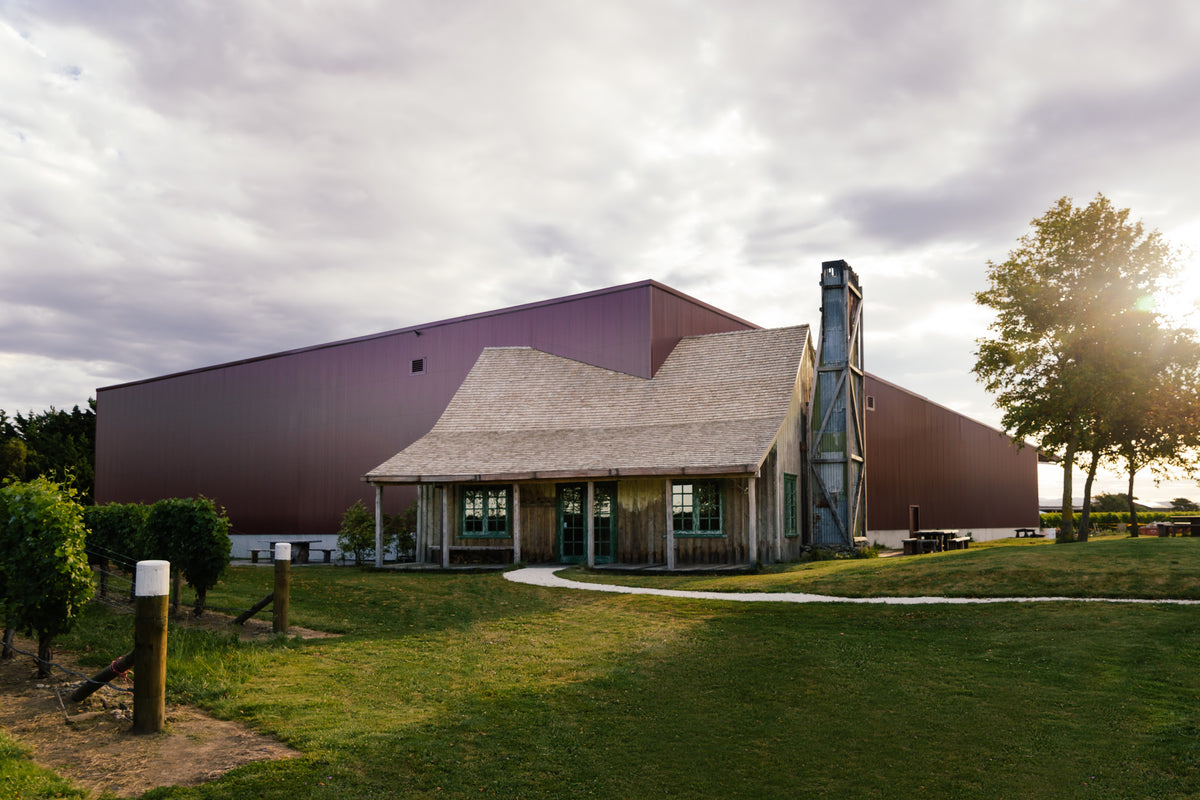
If you would like to see where it happens, you are welcome to visit the tasting room on our original homestead vineyard, read more about how we farm our estate vineyards, or browse our Marlborough wines.
Frequently asked questions
What is Sustainable Winegrowing New Zealand (SWNZ)? SWNZ is New Zealand's national wine-sustainability certification programme, run by New Zealand Winegrowers and introduced in 1995. It certifies vineyards, wineries and bottling across six areas (soil, water, plant protection, waste, climate change and people), with annual submissions and independent on-site audits. Around 98% of New Zealand's vineyard area under production is certified.
Is Jackson Estate a certified sustainable winery? Yes. Jackson Estate has been certified under SWNZ since the programme began in 1995, when we were the 16th vineyard in the country to be certified.
What does Jackson Estate do to farm sustainably? We recycle around 95% of our winemaking water back into the vineyard, return 100% of our grape skins (marc) to the soil, plant wildflowers and keep beehives to support biodiversity, use marc as a natural weed suppressant to reduce chemical use, and take part in New Zealand Winegrowers' Virus Elimination Project. Our bottles are 70% recycled glass and over 95% lightweight (390g) to lower transport emissions.
Is sustainability certification required to sell New Zealand wine? There is no law requiring it, but in practice it is close to essential. Major buyers, distributors, and retailers increasingly write certification into their supply contracts, so for an export-focused industry like New Zealand's, it has become the standard you must meet to reach the market.