

Written by Matt Patterson-Green, Winemaker at Jackson Estate. Last updated July 2026.
Yes, Marlborough Pinot Noir ages, and at Jackson Estate we make ours to do exactly that. Our Pinot arrives bright, fresh and clean, then over five to twenty years it slides into something bigger: luscious, developed and elegant, with a long, full mouthfeel. That evolution is built in the vineyard and in the winery, and we give every bottle a head start by cellaring it ourselves for three to four years before release. Here is how the wine changes as it ages, why it is built to last, and how to look after it at home.
Does Marlborough Pinot Noir age well?
Marlborough Pinot Noir ages well when it is grown and made for it. The region's cooler nights help the fruit hold its natural acidity, and that acidity is what carries a red wine through years in the bottle. Add old vines, careful winemaking and time before release, and you have a wine built to develop with age.
We are predominantly Sauvignon Blanc makers, but Pinot Noir is our great love. Ageing sits at the centre of how we approach it. Every decision in the vineyard and the winery is made with the finished, developed wine in mind, not just how it drinks on release.
What changes as our Pinot Noir ages?
As our Pinot Noir ages, bright red-fruit characters give way to something deeper and more layered. Young, our Pinot is full of fresh red fruits and lively. Over five, ten, fifteen, and twenty years, it becomes supple and elegant, and new notes emerge: spice, peppercorn, leather, cigar box, earthiness, and dark berry.
The texture changes as much as the flavour. An aged Jackson Estate Pinot is full, luscious and giving, and after you swallow a mouthful the flavour lingers for a good two to three minutes. It is textured and layered, with genuine complexity from front to back. This is what we mean when we call our Pinot a journey of discovery: every time you taste it, there is a new nuance, a new flavour.
Why our Pinot Noir is built to age
Our Pinot is built to age because of where it's grown and how we make it. Our main Pinot Noir vineyard sits in the Waihopai Valley, in the south of the Wairau, on heavy clay soils. The vines are more than thirty years old, some of the oldest planted Pinot Noir in Marlborough, and we hand-manicure them all season.
The fruiting zone is stripped of leaf and opened up to sunlight and wind, and the fruit is thinned so each shoot carries a single small bunch. Small clusters, small berries and highly concentrated fruit: that concentration is the foundation everything else builds on. If you want to understand where the wine comes from, read more about how we farm our estate vineyards.
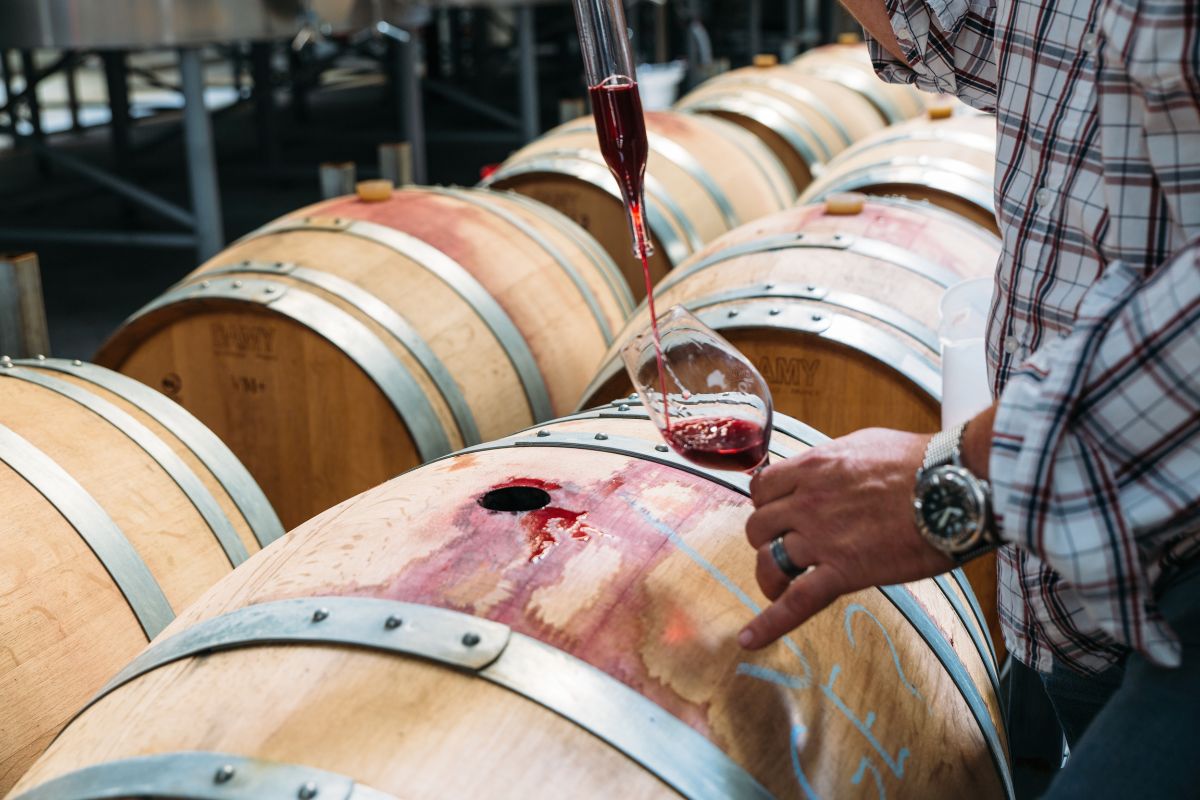
In the winery, we keep things simple and attentive. The fruit is hand-harvested and de-stemmed into small open-top fermenters, where it ferments on wild, indigenous yeasts. We hand-plunge the cap by feel and observation, not to a fixed routine. We watch whether the cap is healthy, glossy, and smells good. The wine is then pressed off its skins into French oak, 100% of it French with around 25% new, and goes through natural malolactic fermentation, a secondary fermentation that softens its natural acidity.
Being from Marlborough, our Pinot carries a brighter acidity, and that acidity does two jobs. It gives the wine presence in the glass and makes it pop, and it is exactly what lets the wine age so gracefully. Then we wait. After ten to twelve months in barrel, we bottle the wine and cellar it ourselves for a good three to four years before release, so that by the time a bottle reaches you it is young but already in perfect drinking condition, with years still ahead of it.
A wine in motion: tasting our 2015 Vintage Widow
The clearest way to show what ageing does is to taste the same wine years apart. One of the wines I opened recently was our 2015 Jackson Estate Vintage Widow, and my notes tell the whole story.
Like all our Pinot, Vintage Widow is released young but ready to drink, a wine of just four years old by the time it reaches the shelf. When we first released it, my notes described it as very precise, bright and lifted, with floral notes of roses and violets and a dried-herbal edge.
That same wine has since deepened and gained weight. Tasting it now, I am writing down tobacco, cedar, darker licorice, spice and peppercorn. The fresh fruit and florals of its youth have folded into savoury, aged complexity. This is the exact evolution we make this wine take.
How long can you cellar our Pinot Noir?
You can cellar Marlborough Pinot Noir for anywhere from five to twenty years, depending on the wine and how you like it. Our Pinot is made to reward patience, but because we bottle-age it before release, there is no wrong answer. It is ready to enjoy the day you buy it, and it will keep developing for years if you would rather wait.
Open a bottle young, and you will get that bright, lively red fruit. Hold it, and you will find the supple, spiced, savoury character that comes with time. Both are the same wine at different stages of its life, and part of the pleasure is deciding which version you want to pour.
What is the best way to store it at home?
The best way to store Pinot Noir at home is somewhere with a stable temperature between 12 and 15 degrees Celsius. Steadiness matters more than getting the number exactly right. A spot that holds a consistent temperature and does not swing with the seasons will always age your wine better than one that runs hot and cold.
For most people, that means a cool cupboard near the centre of the house, away from windows and outside walls where the temperature climbs and drops. If you would like more control, a climate-controlled wine fridge does the same job and holds the temperature steady for you. Find that stable spot and your Pinot will look after itself.
Where to find our Pinot Noir
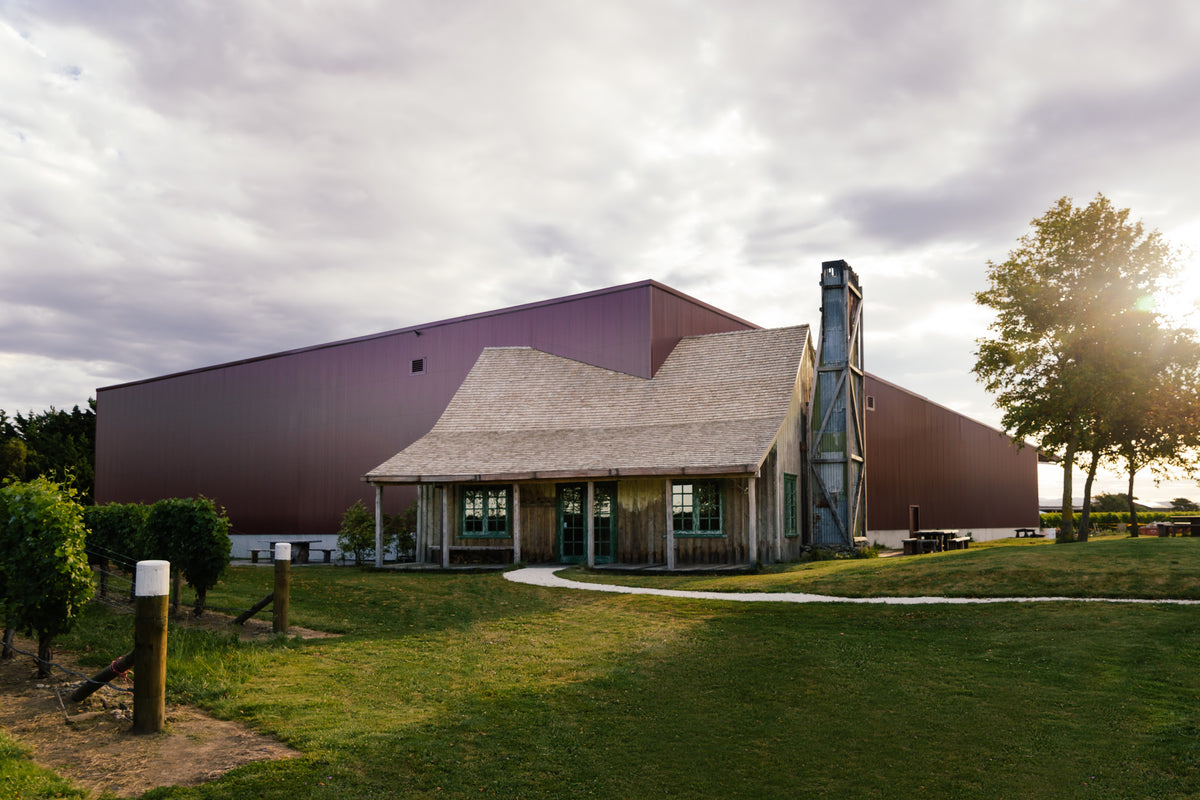
We are very proud of our Pinot Noir. You can browse our Marlborough Pinot Noir online, or come and taste it where it is made and visit the cellar door at our original homestead vineyard. To meet the person behind the wine, read about winemaker Matt Patterson-Green and the team. And if you are weighing Marlborough against the classics, see how Marlborough Pinot compares to Burgundy and Oregon.
Frequently asked questions
Does Marlborough Pinot Noir age? Yes. Marlborough Pinot Noir ages well when it is grown and made for it. The region's cooler nights help the fruit hold its natural acidity, which carries the wine through years in the bottle. At Jackson Estate, we make our Pinot to age, developing from bright and fresh into a supple, spiced, savoury wine over five to twenty years.
How long can you cellar Marlborough Pinot Noir? Anywhere from five to twenty years, depending on the wine and how you like it. Our Pinot is bottle-aged for three to four years before release, so it is ready to drink the day you buy it and will keep developing for years if you would rather hold it.
What temperature should you store Pinot Noir at? Store Pinot Noir at a stable temperature between 12 and 15 degrees Celsius. Consistency matters more than the exact number. A spot that holds steady and does not swing with the seasons, such as a cool central cupboard or a climate-controlled wine fridge, will age the wine best.
What does aged Pinot Noir taste like? Aged Marlborough Pinot Noir trades youthful bright red fruit for supple, savoury complexity: spice, peppercorn, leather, cigar box, earthiness and dark berry. The texture becomes full and layered, with flavour that lingers for two to three minutes after each sip.
Why does Jackson Estate Pinot age well? Our Pinot ages well because of old vines, place and patience. Our Waihopai Valley vines are more than thirty years old and grown on heavy clay, giving small, concentrated berries. Bright natural acidity, natural malolactic fermentation, French oak and three to four years of bottle-ageing before release all build a wine made to develop.
Written by Matt Patterson-Green, Winemaker at Jackson Estate. Last updated July 2026.