
Written by Matt Patterson-Green, Winemaker.
Wine keeps best somewhere cool and dark, at a steady temperature it can settle into for years. The harder question, and the one most guides skip, is which wines are actually worth keeping in the first place. Some of the wines worth keeping are white, and with the right storage they will reward decades in the bottle. This guide covers how to store wine at home in New Zealand, which bottles are built to age, and how to serve them once they are ready. It does not cover how long a bottle lasts after opening.
How to store wine at home in a New Zealand climate
New Zealand homes make this both easier and harder. Our climate is temperate, so we rarely get the extremes that can cook a cellar overseas. Still, many Kiwi houses are lightly insulated and not centrally heated so the indoor temperature can swing a fair way between a cold winter night and a warm summer afternoon. That swing is the thing to design around: find the most stable interior spot you can, a cupboard toward the middle of the house, away from outside walls and the sun, and you are most of the way there.
A cool, stable spot beats a perfect number
What matters most is a stable temperature. Find a cool part of the house, ideally a cupboard toward the centre, sitting somewhere around 12 to 15 degrees.
You will read a lot of different numbers online, from about 8 degrees for a white up to 18 for a red. The exact figure matters far less than holding whatever you pick steady across the year. A cupboard that stays at a constant 15 degrees looks after a wine better than one that drifts between 12 and 18 with the seasons.
Light, humidity, corks and vibration
A few other things quietly age a wine, and all of them are easy to avoid. Keep bottles out of direct sunlight and away from strong artificial light, because light strips freshness over time. A little humidity in the air helps keep a natural cork from drying out and letting air in, which is also why bottles under cork are best laid on their side, with the wine against the cork. A wine under screw cap does not need that so it can stand upright quite happily. Finally, keep wine away from anything that hums or shakes, like the top of the fridge or a busy doorway, since constant vibration disturbs the wine as it settles.
Where to keep wine if you don't have a cellar
You do not need a cellar to store wine well. A cool interior cupboard, a wardrobe on the shaded side of the house, or the space under the stairs will all do the job, as long as the temperature there stays fairly even through the year.
The places to avoid are the ones that swing. The kitchen runs hot, the laundry is warm and full of vibration, and the garage bakes in summer and chills in winter. If your house runs warm or shifts a lot with the seasons, a small wine fridge is a reliable choice, holding a set temperature and keeping the light out for you.
Which wines are worth cellaring, and how to tell
Most wine is made to be enjoyed young and fresh. Only some of it is built to develop and change with time, and knowing the difference is the first decision in cellaring. A wine that is not made to age will not improve just because you leave it in a cupboard for ten years.
For a wine to develop properly, it needs the right combination of acidity, fruit concentration, tannin and structure. Where those are in balance, time reshapes the wine. The primary fruit steps back, and secondary flavours come forward, moving toward dried fruit, spice, honey, nuts, and earthy, savoury notes.
Price is a poor guide. Do not cellar a wine because it is expensive. Cellar it because it has the structure and balance to keep growing more interesting as it ages. The way I judge a wine is simple. Open a bottle and see whether it has that structure and weight. If it does not, there is no shame in enjoying it now, at its bright and fresh best.
Do white wines age? Most do better than you would think
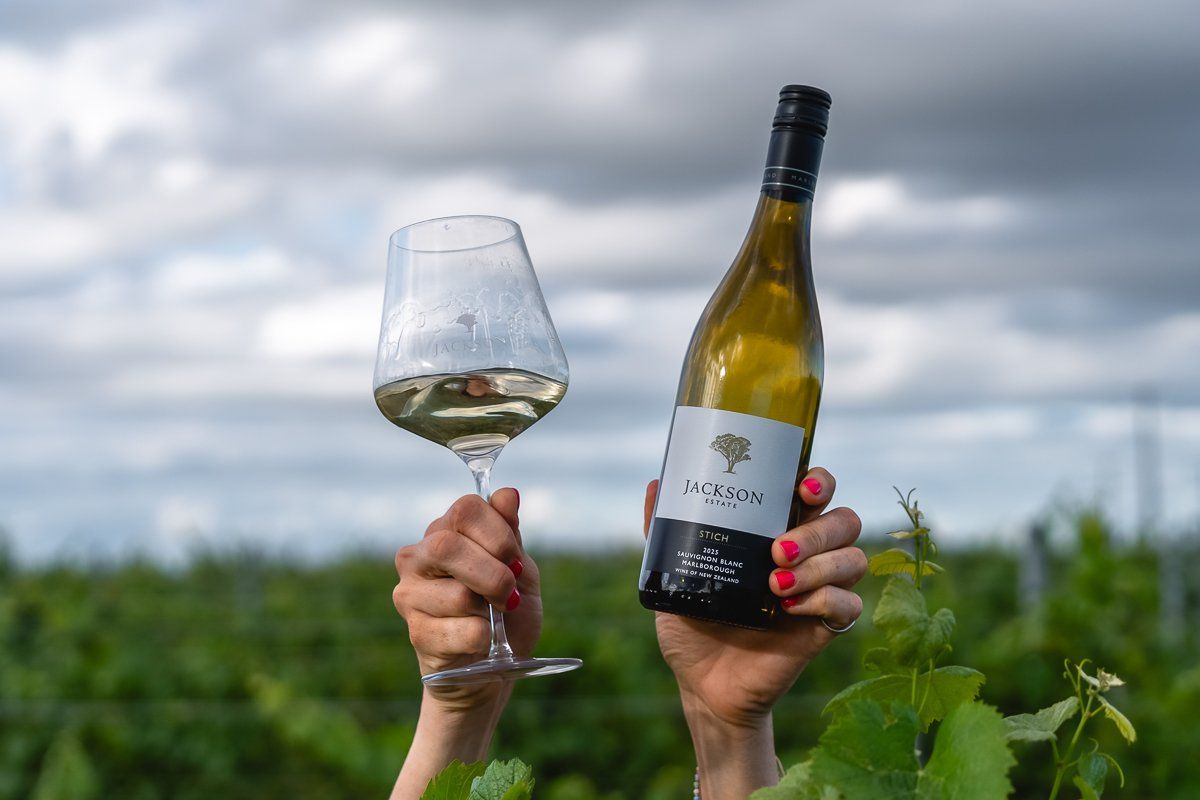
Many people assume white wine should be drunk young, and only reds are worth keeping. Many whites cellar beautifully and reward age, often for far longer than their owners expect. A white with real acidity has exactly the backbone ageing asks for, and some of the best examples are among our white wines.
The Jackson Estate whites that reward keeping
Three of ours make the point well. The Homestead Riesling is a classic example, thanks to its acidity and its old-vine character. Over time, with careful cellaring, its citrus and floral notes deepen into something more honied and toasty, with the beautiful kerosene character that fine-aged Riesling is loved for.
The botrytis Riesling goes further again. This is a wine touched by noble rot, botrytis cinerea, which concentrates the flavours and, above all, the sugars. That concentrated sweetness, carried by the wine's acidity, gives it the longevity to cellar for decades.
Grey Ghost, our Marlborough Sauvignon Blanc made in the barrel-aged style, is the third. A good deal of its ageing potential comes down to how it is made, and the time it spends on lees gives it the complexity and structure that let a white age well. We have bottles of Grey Ghost dating back 20 years that still look fantastic. Put any of these three down, and they will reward you for years.
Screw cap and cork age differently
All of our wines are finished under screw cap, and the closure changes how a wine ages. Screw caps have been in wide use for only about 20 years. What we have seen is that our wines now, after 20 years under screw cap, tend to age along a more consistent path, without the big peaks and dips you can get with wine under cork. I will be candid about the limits of what any of us knows here. We do not have any wines over 100 years old under screw cap, so it is something we are still learning about.
How long different wines keep
So how long does wine keep? It depends entirely on the wine. A sound, unopened bottle does not suddenly go off the way milk does, and, when stored well, it will happily last for years. An everyday wine is usually at its best in its first year or two. A wine built to age, red or white, will run for years and often for decades.
Pinot Noir sits a little apart here. It is a more delicate variety, so it tends to develop savoury, earthy complexity over time rather than simply greater power. If you want the full picture, we cover it in detail in how Marlborough Pinot Noir develops with age.
People often ask what to lay down for a child born this year, to open in 20 or 30 years. For a cellar that long, a single-vineyard Pinot Noir, the Homestead Riesling or the Grey Ghost are all wines we would happily put away. And the surest way to learn how your own bottles are travelling is to open one every few years and taste for yourself.
Serving your wine: temperature and when to open it
The last step is pouring it well; most wine is served a touch too warm, while sparkling is served a touch too cold. Whites and sparkling wines are best straight from the fridge. Reds are better cool than warm, somewhere around 16 to 18 degrees rather than at room temperature on a hot day.
A simple habit covers both. Give a red about twenty minutes out of a cool cupboard before you pour, and give a white that has warmed up about twenty minutes back in the fridge. A fuller red will also open up with a little air, so there is no harm in pouring the first glass and letting the bottle breathe while you enjoy it.
Common questions about storing and cellaring wine
Does wine actually improve with age?
Only if it was built to be; most wine is made to be enjoyed young and will not get better sitting in a cupboard. A smaller group has the acidity, fruit concentration and structure to develop with age. For those, ageing changes a wine rather than improving it: the fresh fruit softens, and quieter notes of dried fruit, spice and honey come through. Without those building blocks, age just takes a wine downhill.
What is the biggest mistake people make when storing wine at home?
Keeping it somewhere warm that experiences temperature swings, like the top of the fridge or a sunny kitchen bench. Heat ages a wine quickly, and constant changes age it unevenly. A cool, dark cupboard that holds a steady temperature fixes the problem completely.
How does poor storage change the way a wine tastes?
Heat and light strip away the freshness a winemaker worked to build in, and a wine kept badly can taste flat or older than it should. Good storage protects what is already in the wine, so it tastes the way it was meant to.
Do I need a wine fridge, or is a cool cupboard enough?
For most people, the right cupboard is all it takes, as long as it stays cool and out of the light. A wine fridge earns its place if your house runs warm or swings hard through the year, or if you are keeping special bottles for many years and want the temperature held exactly.
Does storing wine well affect its value?
Yes. A wine that has been kept cool and dark, at a steady temperature, drinks better and holds its value better than the same wine left in the heat. How a bottle has been stored is part of its quality, which is why serious buyers always ask.
Explore the Jackson Estate wines worth keeping
Several of the wines in our range are made to age and are worth putting away. Have a look through our white wines to find a bottle worth laying down, or get in touch through our contact page if you would like a hand choosing one.